
The Masai Mara National Reserve in Kenya stands as one of Africa’s most spectacular wildlife destinations, renowned for its extraordinary biodiversity and the legendary Great Migration. However, choosing the right time to visit can dramatically impact your safari experience. This comprehensive guide explores the best times to travel to Masai Mara, helping you plan an unforgettable African adventure.
The Great Migration Season: July to October
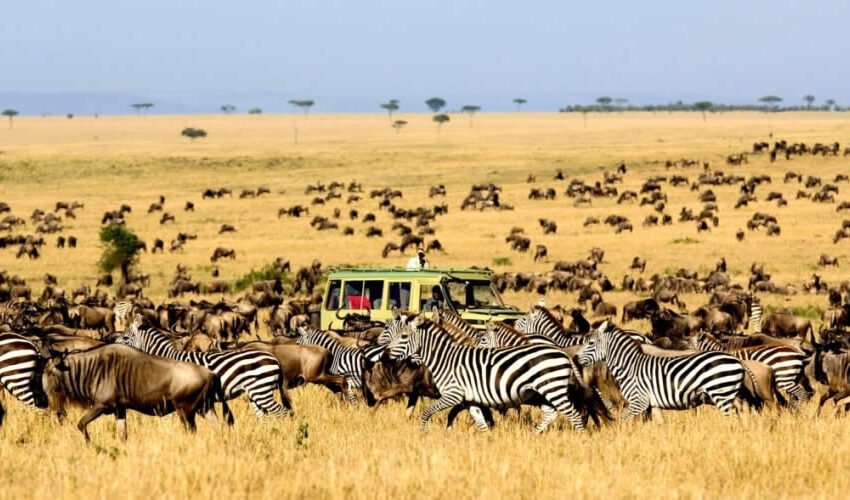
The peak season for visiting Masai Mara runs from July through October, coinciding with the world-famous Great Migration. During these months, over two million wildebeest, zebras, and gazelles journey from Tanzania’s Serengeti into the Masai Mara in search of fresh grazing lands.
Why Visit During Migration Season:
The dramatic river crossings at the Mara and Talek Rivers represent nature’s most thrilling spectacle. Massive herds navigate crocodile-infested waters while predators including lions, leopards, and cheetahs hunt along the banks. Wildlife photographers and enthusiasts consider this period the ultimate safari experience.
The dry weather during these months ensures excellent game viewing conditions. Animals congregate around water sources, making them easier to spot. The sparse vegetation provides clear sightlines across the savannah, and the generally sunny skies create perfect conditions for photography.
However, this premium period comes with considerations. Accommodation prices reach their peak, and popular areas can become crowded with safari vehicles. Booking at least six months in advance becomes essential for securing preferred lodges and camps.
The Shoulder Seasons: January to February and November to December
Experienced safari-goers often prefer the shoulder seasons, which offer exceptional value and unique advantages. January and February deliver outstanding wildlife viewing following the short rains, with newborn animals attracting predators and creating dynamic safari action.
The landscape transforms into a lush green paradise during these months, offering striking photographic opportunities. Bird watching reaches its peak as migratory species arrive from Europe and North Africa, adding vibrant colors to the already diverse ecosystem. Accommodation rates drop significantly compared to peak season, and fewer tourists mean more intimate wildlife encounters.
November and December mark the short rainy season, but contrary to common misconceptions, this period offers excellent game viewing. The rains typically arrive as brief afternoon showers rather than prolonged downpours, rarely disrupting safari activities. Wildlife remains abundant, and the dramatic storm clouds create breathtaking backdrops for photography.
The Green Season: March to June
The long rainy season, particularly April and May, represents the low season in Masai Mara. While this period receives less attention from travelers, it presents unique opportunities for adventurous visitors seeking authenticity and solitude.
Advantages of the Green Season:
The transformation of the Mara into an emerald wonderland creates stunning scenery. Dramatic skies, fewer vehicles, and significantly reduced accommodation costs appeal to budget-conscious travelers and those seeking privacy. Wildlife photography enthusiasts appreciate the dynamic lighting conditions and the absence of crowds at sighting locations.
Resident wildlife remains present throughout the year, and predator viewing stays consistently excellent. Lions, leopards, and cheetahs continue their hunting activities regardless of season, providing thrilling encounters.
Considerations for Green Season Travel:
Heavy rains can occasionally make some roads challenging to navigate, though most main routes remain accessible. Some seasonal camps may close during this period, limiting accommodation options. However, the reduced visitor numbers create an exclusive safari atmosphere that many travelers cherish.
Month-by-Month Breakdown
January – February: Excellent wildlife viewing with calving season attracting predators. Pleasant weather with occasional short rains. Moderate tourist numbers and reasonable prices.
March – May: Low season with heavy rains, particularly in April. Lush landscapes and lowest prices. Some camps closed but spectacular for photography and solitude.
June: Transition month marking the beginning of the dry season. Wildlife viewing improves as vegetation thins. Fewer tourists than peak months with moderate pricing.
July – August: Peak migration season with dramatic river crossings. Highest tourist numbers and premium pricing. Best weather conditions with minimal rainfall.
September – October: Continued excellent migration viewing. Prime time for witnessing predator-prey interactions. High season pricing maintained with heavy bookings required.
November – December: Short rains bring green landscapes. Good wildlife viewing with fewer crowds. Moderate prices and excellent bird watching opportunities.
Factors to Consider When Planning Your Visit
Wildlife Priorities: If witnessing the Great Migration tops your bucket list, July through October remains non-negotiable. However, if general wildlife viewing and predator encounters satisfy your safari dreams, other months offer equally rewarding experiences without the crowds.
Budget Considerations: Traveling during shoulder or low seasons can reduce costs by 30-50% compared to peak season. This savings can extend your stay or upgrade your accommodation category.
Weather Preferences: Visitors seeking guaranteed sunshine should target July through October. Those who appreciate dramatic skies and lush landscapes might prefer the greener months despite occasional rain.
Photography Goals: Wildlife photographers often prefer the golden light and dramatic skies of shoulder seasons. The green season offers unique opportunities for landscape photography, while migration season provides action-packed wildlife shots.
Crowd Tolerance: Travelers seeking solitude should avoid peak migration months. The green season and shoulder months provide more exclusive experiences with personalized attention from guides.
Practical Travel Tips
Regardless of when you visit, pack layers for cool early mornings and warm afternoons. Neutral-colored clothing helps you blend into the environment, and quality binoculars enhance wildlife viewing from any distance.
Book accommodations well in advance for peak season travel, and confirm that camps remain open during low season visits. Consider staying in different locations within the Mara to maximize diverse wildlife encounters across various habitats.
Working with experienced safari operators ensures access to prime game-viewing areas and knowledgeable guides who understand seasonal animal movements and behavior patterns.
Making Your Decision
The best time to visit Masai Mara ultimately depends on your personal priorities, budget, and expectations. The Great Migration offers unparalleled spectacle but comes with premium costs and crowds. Shoulder seasons provide excellent wildlife viewing with better value and smaller tourist numbers. The green season rewards adventurous travelers with solitude, dramatic landscapes, and significant savings.
Each season in Masai Mara offers distinct advantages, and the reserve maintains its status as an exceptional safari destination year-round. By aligning your travel dates with your priorities, you’ll create memories of Africa’s wild beauty that last a lifetime.
Whether you choose to witness millions of wildebeest thundering across the plains or prefer intimate encounters with resident wildlife in peaceful surroundings, Masai Mara delivers an authentic African safari experience that exceeds expectations. Start planning your journey to this magnificent wilderness, and prepare for an adventure that will forever change how you view the natural world.Retry